
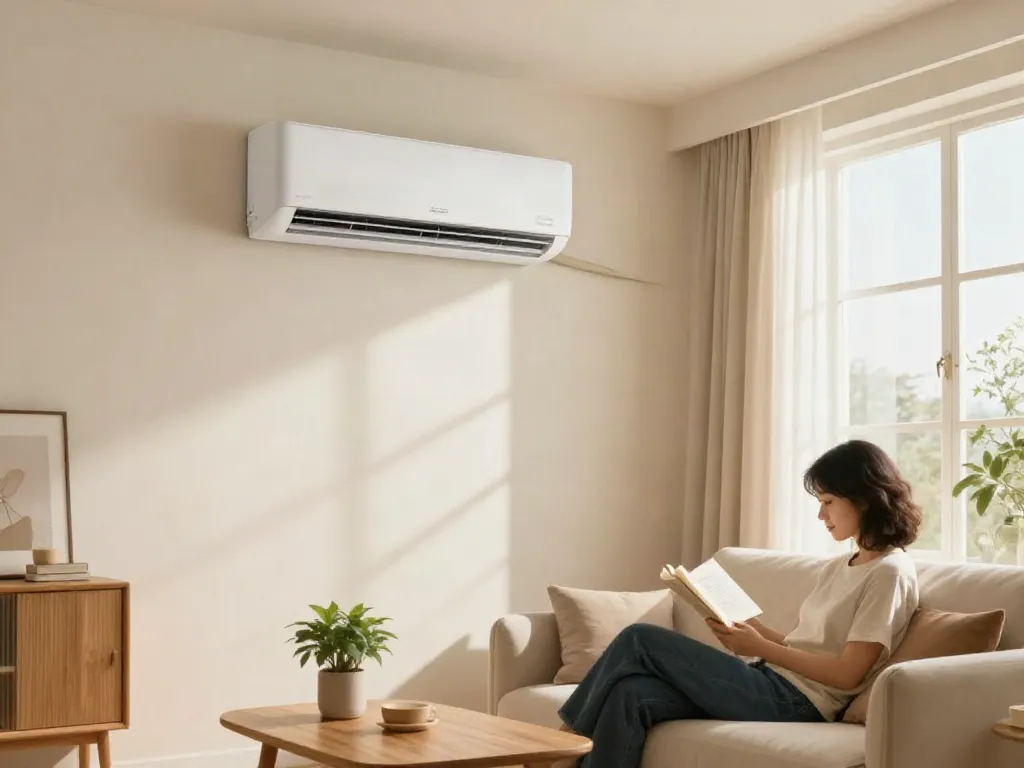
Understanding Mini Split AC Systems
In today's world, achieving the perfect indoor climate is essential for comfort and well-being. With rising energy costs and changing environmental conditions, the demand for efficient and versatile cooling solutions has never been higher. One such solution that has gained popularity is the mini split ac system. These systems offer a range of benefits that make them an attractive choice for homes and businesses alike.
What is a Mini Split AC?
A mini split AC, also known as a ductless mini-split air conditioning system, is a compact HVAC solution designed to provide both heating and cooling. Unlike traditional HVAC systems that rely on ductwork to circulate air, mini splits consist of an outdoor compressor unit and one or more indoor air-handling units. This unique design allows for flexible installation and zoning options, providing targeted comfort where it's needed most.
Components of Mini Split Systems
Understanding the key components of a mini split system can help you appreciate its functionality and advantages:
- Outdoor Unit: Houses the compressor and condenser, responsible for heat exchange and refrigerant circulation.
- Indoor Unit: The air handler that distributes conditioned air into the living space. It often features adjustable airflow and temperature controls.
- Refrigerant Lines: Copper lines that connect the indoor and outdoor units, facilitating refrigerant flow.
- Drain Line: Removes condensation produced by the indoor unit, ensuring optimal performance.
How Mini Split AC Works
Mini split AC systems operate by transferring heat from one location to another using a refrigerant. In cooling mode, the outdoor unit absorbs heat from the indoor air, transferring it outside while the indoor unit delivers cool air into your space. Conversely, in heating mode, the process is reversed: the system extracts heat from the outside air and transfers it indoors, effectively warming the space. This dual-purpose functionality makes mini splits a versatile choice for year-round comfort.
Advantages of Mini Split ACs
Mini split AC systems come with a myriad of advantages that set them apart from traditional HVAC options. Here are some key benefits:
Energy Efficiency Explained
One of the most significant advantages of mini split AC systems is their energy efficiency. With SEER (Seasonal Energy Efficiency Ratio) ratings often exceeding 20, these systems use significantly less energy compared to conventional units, leading to lower utility bills. The inverter technology used in mini splits enables them to adjust compressor speed to match cooling or heating demand, minimizing energy wastage and maximizing efficiency.
Space-Saving Design Benefits
Mini splits have a compact and space-saving design, making them suitable for various applications, especially in homes without ductwork. The indoor units can be mounted on walls, ceilings, or even recessed, allowing for flexible design options that blend seamlessly with your interior. This feature is particularly advantageous in urban settings or smaller homes where space is at a premium.
Improved Air Quality Features
Many mini split systems come equipped with advanced filtration systems that can significantly enhance indoor air quality. These filters help capture dust, allergens, and pollutants, making the air you breathe cleaner and healthier. Furthermore, because mini splits allow for personalized zoning, occupants can choose their preferred temperature settings, reducing the likelihood of stale air circulating throughout the home.
Installation Process for Mini Split AC
Installing a mini split AC system is a task that can seem daunting, but with proper planning, it can be accomplished with relative ease. Here’s a breakdown of the installation process:
Preparing Your Space for Installation
Before beginning installation, it is essential to assess your space and determine the optimal location for both the outdoor and indoor units. Factors like accessibility, sunlight exposure, and the layout of the room should influence your decision. Additionally, ensure that your electrical system can support the new AC unit.
Installation Steps and Best Practices
- Mount the Indoor Unit: Use a level to mark the installation height and secure the mounting bracket to the wall.
- Install the Outdoor Unit: Place the outdoor unit on a stable surface, ensuring it is elevated and not obstructed by debris.
- Connect Refrigerant Lines: Carefully connect the refrigerant lines between the indoor and outdoor units, ensuring no leaks occur.
- Electrical Connections: Connect the power supply to the outdoor unit, followed by the indoor unit.
- Vacuum the Lines: Before releasing refrigerant, vacuum the lines to remove any moisture and impurities.
- Test the System: Once everything is connected, run the system to ensure it operates correctly.
Common Installation Challenges
Even with careful planning, you may encounter challenges during installation. Common issues include difficulties in accessing the installation area, aligning the indoor and outdoor units, and ensuring proper electrical connections. Consulting a professional installer can mitigate these challenges and ensure your system operates safely and efficiently.
Maintenance and Care for Mini Split ACs
To keep your mini split AC system running smoothly and efficiently, regular maintenance is essential. Here are some tips:
Routine Maintenance Tips
- Clean or Replace Filters: Check the filters monthly and clean or replace them as necessary to ensure optimal airflow and air quality.
- Inspect the Outdoor Unit: Regularly check the outdoor unit for debris and ensure the condenser coils are clean.
- Keep the Area Clear: Ensure that plants, furniture, and other obstructions do not block the airflow around the indoor and outdoor units.
Troubleshooting Common Issues
Common issues users may experience with mini split AC systems include insufficient cooling, unusual noises, or frequent cycling on and off. If your system is not operating efficiently, check the filters, ensure the outdoor unit is clear of debris, and confirm that the refrigerant levels are adequate.
When to Call a Professional
While many maintenance tasks can be handled by homeowners, some issues require the expertise of a qualified HVAC technician. If you encounter persistent problems, such as refrigerant leaks or electrical issues, it’s best to seek professional assistance to avoid further complications.
Future Trends in Mini Split AC Technology
The mini split AC industry is continuously evolving, with exciting advancements on the horizon. Here are some future trends to watch for:
Innovations in Energy Efficiency for 2026
As technology progresses, we can expect to see even more energy-efficient mini split systems with higher SEER ratings and smarter energy consumption. Innovations may include enhanced inverter technology and the integration of renewable energy sources, further reducing carbon footprints.
Smart Features and Integration
The rise of smart home technology is making its way into the HVAC industry. Future mini split systems may include advanced smart controls, allowing users to manage settings via smartphone apps, voice-activated devices, and more. This integration could enhance comfort, convenience, and energy savings.
The Future of Heating and Cooling Solutions
With climate change and increasing energy demands, the future of HVAC solutions will likely include more sustainable practices and technologies. Expect to see mini split systems that prioritize environmental friendliness, including refrigerants with lower global warming potential and systems designed for minimal energy waste.
What are the disadvantages of a mini split?
While mini split AC systems offer numerous advantages, there are also some drawbacks to consider. These include higher initial installation costs compared to traditional systems, possible aesthetic concerns with visible indoor units, and the need for regular maintenance to ensure longevity and efficiency.
Is a mini split AC worth it?
Investing in a mini split AC can be worthwhile for homeowners looking for energy-efficient cooling and heating solutions. With proper maintenance, they can provide significant long-term savings on utility bills and improve indoor comfort levels.
Why is my electric bill so high with mini split?
If you're experiencing higher electric bills with your mini split AC, it could be due to several factors, such as improper sizing, inadequate insulation, or inefficient usage. Ensuring your system is the right size for your space and using it wisely can help mitigate these costs.
What's the average cost to put in a mini split?
The average installation cost of a mini split AC system typically ranges between $3,000 to $10,000, depending on factors like the number of zones, brand, and installation complexity. Many homeowners find the investment worthwhile due to long-term energy savings and increased comfort.