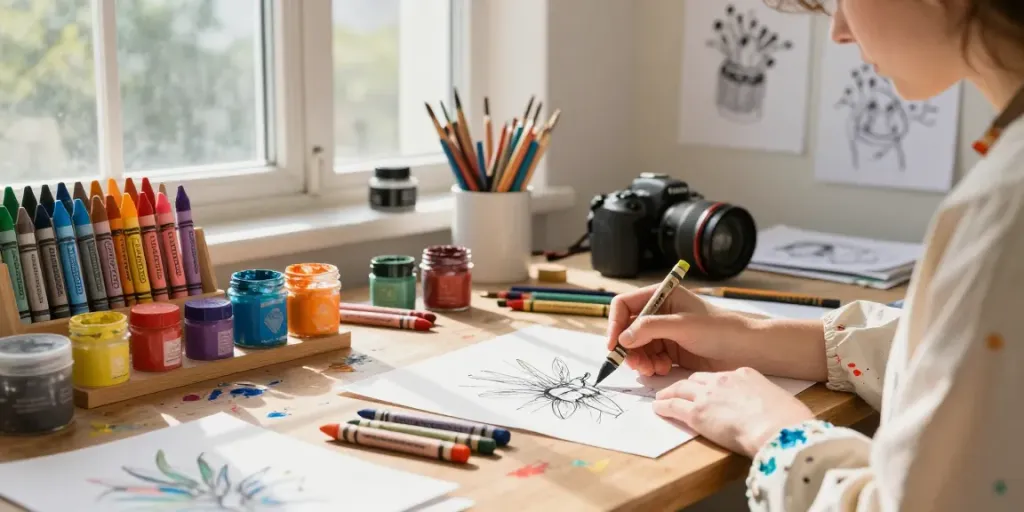
The Evolution of Crayon Manufacturers
The world of crayon manufacturing has transformed significantly since its inception in the early 20th century. From hand-crafted creations to mass-produced versions, the industry has witnessed remarkable changes influenced by technology, consumer preferences, and environmental consciousness. Today, crayon manufacturers are not just focused on producing vibrant colors but are also pioneering innovations that cater to various artistic and educational needs while ensuring sustainability.
The History of Crayon Production
Crayons have a rich history, originating from France in the late 18th century. Initially, these coloring tools were made with natural pigments and wax. The crayon's evolution into its modern form began in the 20th century, notably with the establishment of companies like Crayola in 1903, which introduced the first box of colored crayons. The production process evolved from crafting individual crayons by hand to developing automated systems, allowing manufacturers to produce millions of crayons annually with consistent quality.
Innovations in Crayon Manufacturing Techniques
Over the years, crayon manufacturers have adopted innovative techniques to enhance the quality and variety of their products. For example, the introduction of plastic crayons has allowed manufacturers to create shapes and colors that were previously unachievable with traditional wax. Additionally, advancements in dye technology have made it possible to produce crayons with brighter pigments that adhere better to various surfaces. When exploring options, crayon manufacturers are now also focusing on user-friendly designs that improve the overall experience for children and artists alike.
Eco-friendly Trends Among Crayon Manufacturers
As sustainability becomes a crucial consideration for consumers, many crayon manufacturers are exploring eco-friendly options. Innovations such as beeswax crayons and non-toxic materials made from natural sources are gaining popularity. These products not only cater to environmentally conscious consumers but also demonstrate a commitment to safety, particularly for children. The shift towards biodegradable packaging further underscores the industry's move towards sustainability.
Types of Crayons and Their Uses
Crayons are not a one-size-fits-all product; various types cater to different artistic needs and preferences. Understanding the unique characteristics and applications of each type of crayon can significantly enhance the creative process for artists, educators, and parents.
Understanding Wax Crayons: Benefits and Applications
Wax crayons are the most common type and are cherished for their affordability and ease of use. They are perfect for children due to their lower minimum order quantity (MOQ), making them a staple in schools and households. Wax crayons exhibit excellent blending capabilities and produce vibrant colors, which can inspire creativity among young artists. However, they may not be suitable for all surfaces, especially for detailed artwork that requires precision.
The Versatility of Plastic Crayons
Plastic crayons are a versatile alternative, available in a variety of shapes and colors. Unlike wax crayons, they offer a unique advantage in terms of durability and can withstand rough usage, making them an excellent choice for outdoor activities. Additionally, they provide smoother application and can be used on a broader range of surfaces, including paper, cardboard, and even certain fabrics.
Exploring Fabric Crayons for Creative Textiles
Fabric crayons have gained immense popularity as they enable artists to create designs directly on textiles. One of their most appealing features is the ability to withstand washing, ensuring that artwork remains vibrant and intact even after repeated laundry cycles. This feature makes fabric crayons a favorite among educators who wish to incorporate creativity into fabric arts classes.
Choosing the Right Crayon Manufacturer
Selecting the right crayon manufacturer is critical for businesses and individuals looking to supply high-quality coloring products. It is essential to consider various factors that can influence the quality and sustainability of the products offered.
What to Look for in Quality Crayon Manufacturers
When evaluating crayon manufacturers, the quality of materials used is paramount. Look for manufacturers who prioritize non-toxic, safe materials suitable for children. Certifications and compliance with safety regulations are indicators of a reliable manufacturer. Additionally, examining customer reviews and product samples can provide insight into the performance of the crayons.
Understanding Minimum Order Quantity (MOQ) Requirements
Different manufacturers have varying MOQ requirements, which can impact purchasing decisions, especially for smaller businesses or individual artists. Understanding these requirements helps in making informed choices that align with budget and production needs. It is advisable to select manufacturers who offer flexible MOQs to accommodate diverse customer requirements.
Evaluating Manufacturer Sustainability Practices
As the demand for eco-friendly products rises, ensuring that your chosen crayon manufacturer practices sustainability is crucial. Evaluating their sourcing methods, production processes, and waste management practices can help align your values with theirs. Manufacturers who engage in responsible sourcing and minimize their carbon footprint tend to have a more positive impact on the environment.
Crayon Manufacturing Challenges in 2026
The crayon manufacturing industry faces several challenges that will shape its future and impact production quality and availability.
Supply Chain Issues Impacting Crayon Production
Global supply chain disruptions since the pandemic have led to significant delays and increased costs in raw materials. Manufacturers must navigate these challenges by developing contingency plans and diversifying their supply sources to ensure consistent production. This is critical for meeting the growing demand for quality art supplies.
Meeting Safety Standards for Children’s Products
With increasing scrutiny on safety standards, crayon manufacturers must ensure that their products meet stringent guidelines. Compliance with regulations like ASTM D4236 in the United States is essential to ensure that crayons are safe for children to use. Manufacturers must also stay updated with evolving safety requirements to avoid recalls and legal issues.
Adapting to Environmental Regulations
As governments worldwide implement stricter environmental regulations, manufacturers must adapt their practices to comply. This shift often requires investing in new technologies and processes that reduce environmental impact. Adopting sustainable materials and optimizing production efficiency are vital strategies for manufacturers seeking to thrive in a changing regulatory landscape.
Future Trends in Crayon Production
The crayon manufacturing industry is poised for growth and innovation, driven by technological advancements and shifting consumer preferences.
The Rise of Customizable Crayon Solutions
Consumers are increasingly seeking personalized products, and the crayon industry is no exception. Customizable crayon options—such as personalized color selections or unique shapes—are becoming popular among manufacturers. This trend reflects a broader shift towards individuality in art supplies, providing artists with tools that reflect their creative identity.
Integration of Technology in Art Supplies
Technology is making significant inroads into the art supply industry, with crayon manufacturers exploring ways to incorporate tech into their products. This could include features such as app connectivity for augmented reality experiences or digital engagement platforms that allow users to share their creations digitally. Such innovations can enhance the overall value proposition of crayons in a tech-savvy market.
Predictions for the Crayon Market Post-2026
Looking ahead, the crayon market is expected to see robust growth due to continued interest in arts and crafts, particularly among younger demographics. Factors such as an increase in educational institutions emphasizing creativity and a surge in DIY projects will drive demand. Furthermore, ongoing research into new non-toxic materials will lead to an expansion of product lines that cater to eco-conscious consumers.
What are the top crayon manufacturers today?
Top crayon manufacturers today include established brands like Crayola, as well as innovative companies focusing on eco-friendly products. These manufacturers thrive by understanding market demands and maintaining high-quality standards.
How can I choose eco-friendly crayon options?
Choosing eco-friendly crayon options involves researching brands that prioritize sustainable practices and non-toxic materials. Reading product labels and seeking certifications can guide consumers towards responsible choices.
What innovations are occurring in crayon manufacturing?
Innovations in crayon manufacturing include the development of biodegradable materials, customizable product options, and advanced manufacturing technologies that enhance product quality and reduce environmental impact.
Why are beeswax crayons gaining popularity?
Beeswax crayons are gaining popularity due to their natural composition, which is free from synthetic additives, making them a safer choice for children and environmentally conscious consumers alike.
What safety standards should crayon manufacturers adhere to?
Crayon manufacturers should adhere to safety standards such as ASTM D4236, ensuring that their products are non-toxic and suitable for children. Compliance with these standards is crucial for maintaining consumer trust and legal compliance.