
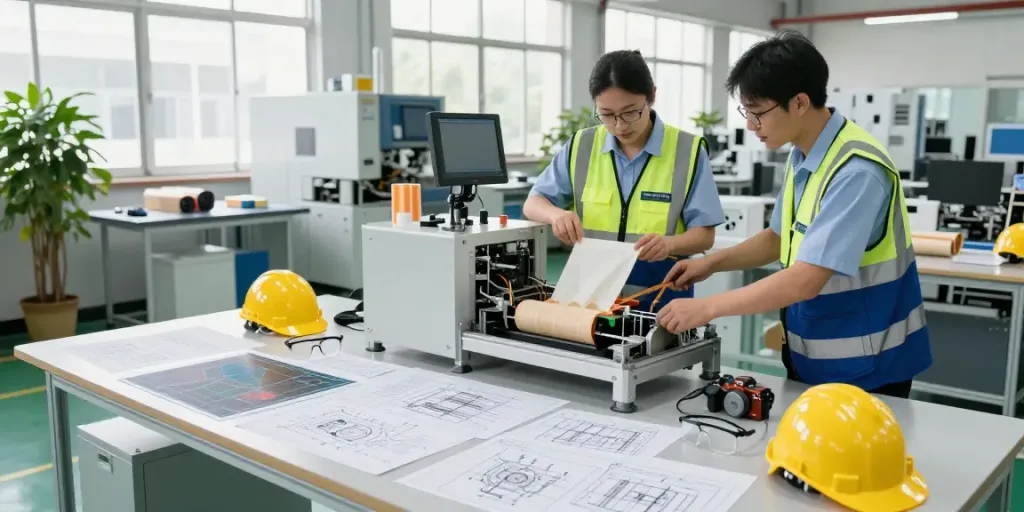
Understanding Packaging Equipment: The Manufacturer's Guide
In the fast-paced world of manufacturing and distribution, the role of a packaging equipment manufacturer is critical. These manufacturers specialize in producing machinery that supports various packaging applications, from food to pharmaceuticals. With advancements in technology and increasing consumer demands, understanding the scope and capabilities of packaging equipment becomes essential for businesses looking to enhance productivity while managing costs.
What is a packaging equipment manufacturer?
A packaging equipment manufacturer is a company that designs and produces machinery for packaging purposes. This equipment can include both primary packaging systems, which handle the product directly, and secondary packaging systems, which prepare the product for shipment. These manufacturers also often collaborate with clients to develop customized solutions that meet specific industry requirements.
Key products offered by packaging equipment manufacturers
Typically, packaging equipment manufacturers provide a range of machinery that can include:
- Open-mouth bagging machines: Specialized for filling and sealing open-mouth bags efficiently, essential for bulk products like grains, powders, and granules.
- Form-Fill-Seal (FFS) packaging lines: These systems create a package, fill it with product, and then seal it—all in one process, thereby enhancing operational efficiency.
- Labeling and coding machines: Essential for compliance and branding, these machines ensure that products are labeled correctly as they move through the packaging process.
- Conveyors and automation systems: These complement other machinery, ensuring smooth product movement through the packaging line.
Significance of customization in packaging solutions
Every business has unique needs when it comes to packaging, driven largely by the type of products they handle. Customization allows manufacturers to tailor machines for specific applications, ensuring optimal performance and efficiency. By assessing production capabilities and operational workflows, packaging equipment manufacturers can design solutions that reduce waste, improve speed, and ultimately lower costs for clients.
Innovations in Packaging Technology for 2026
The packaging landscape is evolving rapidly, fueled by technological advancements and shifts in consumer preferences. As we look toward 2026, several key innovations are anticipated to reshape the industry.
Emerging trends in open-mouth bagging machines
Open-mouth bagging machines are seeing significant enhancements, including the integration of smart technology. These advancements enable better precision in filling, which minimizes product spillage and optimizes material usage. Furthermore, innovations like internet of things (IoT) connectivity allow for real-time monitoring and maintenance, providing manufacturers with insights into machine performance and downtime.
Automation and efficiency in packaging lines
The push for automation continues to dominate the packaging industry. Fully automated lines reduce the need for manual labor, increase production speed, and improve safety. Robotics are being utilized for tasks such as picking, packing, and palletizing, which can enhance efficiency and reduce the risk of human error.
Sustainability considerations in packaging design
As environmental concerns grow, packaging manufacturers are increasingly focusing on sustainability. This includes developing machinery that can handle biodegradable materials and recycling processes. By implementing sustainable practices in packaging, companies can reduce their environmental footprint while appealing to eco-conscious consumers.
Challenges Faced by Packaging Equipment Manufacturers
Despite the rapid advancements in technology, packaging equipment manufacturers face several challenges that can impact their operations and client relationships.
Common misconceptions about packaging machinery
One common misconception is that all packaging equipment is the same. In reality, the type of machinery used can vary significantly based on the product being packaged, production volume, and end-user requirements. Understanding these distinctions is crucial for businesses seeking the right equipment.
Addressing operational cost challenges
Operational costs are a significant concern for manufacturers. Rising material costs, labor shortages, and global supply chain disruptions can all impact profitability. Packaging equipment manufacturers must continuously innovate to provide solutions that help clients manage these costs effectively.
Navigating supply chain disruptions in manufacturing
Recent global events have highlighted vulnerabilities in supply chains. Packaging equipment manufacturers must adapt to ensure consistent delivery and service. This might include diversifying suppliers and investing in local production capabilities to mitigate risks associated with global dependencies.
Strategies for Selecting the Right Packaging Equipment
Choosing the right packaging equipment can dramatically affect a company's efficiency and overall success. Here are critical strategies to consider when making this decision.
Evaluating production capabilities for specific needs
Before investing in packaging machinery, businesses should assess their production capabilities. This involves examining current workflows, potential bottlenecks, and production volumes. Understanding these aspects helps in selecting equipment that aligns with the specific needs of the organization.
Best practices for choosing the right machinery
When selecting packaging equipment, consider factors such as machine reliability, ease of operation, and maintenance support. Additionally, examining case studies or testimonials from other businesses can provide valuable insights into the effectiveness of specific machinery in similar applications.
Importance of technical support in packaging equipment
Finally, technical support is a critical component of packaging equipment selection. Reliable manufacturers should offer robust support services, including training and maintenance, to ensure equipment operates optimally throughout its lifecycle. Establishing a partnership with a responsive manufacturer can lead to long-term operational success.
Future of Packaging: What to Expect Beyond 2026
As we move beyond 2026, the packaging industry is set to witness further transformations influenced by technology, consumer behaviors, and environmental considerations.
Predictions for the packaging equipment industry
Experts predict that the demand for customization and flexibility in packaging machinery will increase. As consumer preferences shift rapidly, manufacturers will need to adapt their equipment to handle a wider variety of products and packaging formats.
Adapting to consumer demands in packaging
Consumer demand for sustainable and convenient packaging is expected to grow. Packaging equipment manufacturers will need to innovate not just their machines, but also the materials they use to accommodate this trend, including the integration of smart packaging solutions that enhance user experience.
Insights from industry experts on future developments
Industry experts suggest that collaboration among manufacturers, suppliers, and customers will be key to navigating future challenges. By working together, stakeholders can drive innovations that benefit the entire supply chain, from production to end-user satisfaction.
What are the top packaging manufacturers in the world?
Some of the largest packaging manufacturers globally include companies like Amcor, Sealed Air, and Tetra Pak. Each of these companies offers a diverse array of packaging solutions tailored to different industries.
How to improve efficiency in a packaging operation?
Efficiency in packaging operations can be improved through automation, regular equipment maintenance, and continuous training for staff. By embracing technology and fostering a culture of innovation, companies can streamline their operations.
What factors should be considered when choosing a packaging system?
Key factors include the type of product to be packaged, production volume, regulatory requirements, and the desired speed of the packaging process. Evaluating these factors will help businesses select the most suitable packaging equipment.
What are the benefits of automation in packaging?
Automation in packaging enhances speed, accuracy, and consistency while reducing labor costs. It minimizes the risk of human error and allows employees to focus on higher-value tasks.
How can packaging manufacturers help reduce operational costs?
Packaging manufacturers can assist in reducing operational costs through innovative design and technology, offering energy-efficient equipment, and providing comprehensive customer support for optimal machine utilization.