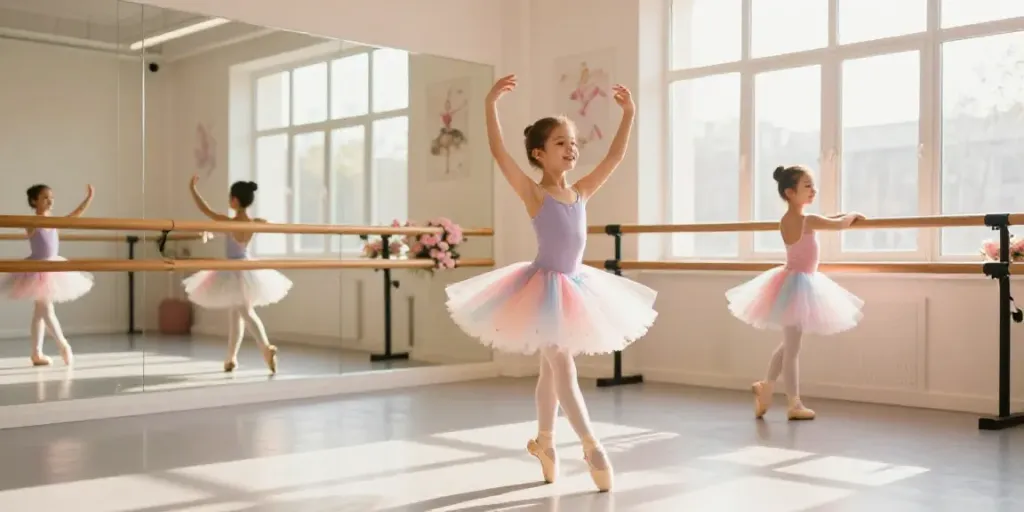
Understanding the Tutu Store Landscape
The world of tutus has evolved significantly over the years, transitioning from simple dancewear to a multifaceted market catering to various styles and occasions. As the demand for tutus continues to rise, understanding the landscape of tutu stores becomes essential for both consumers and retailers. A comprehensive search for options reveals numerous platforms, including a notable tutu store that offers a wide variety of products. This article delves into the evolution of tutu stores, market trends, user demographics, and preferences, providing valuable insights for business owners and customers alike.
The Evolution of Tutu Stores
Tutu stores have undergone a remarkable transformation since their inception. Initially limited to traditional ballet styles, these stores now feature a diverse selection that includes whimsical designs for children, sophisticated options for adults, and even customizable tutus for special events. The evolution of fashion and dance trends has influenced this growth, with stores increasingly reflecting contemporary styles that appeal to a broader audience. Retailers who adapt to these changes find themselves better positioned in a competitive market.
Key Market Trends for 2026
As we look toward 2026, several key trends can be anticipated in the tutu market. Firstly, sustainability is becoming a central focus, with many consumers prioritizing eco-friendly fabrics and production processes. Additionally, the demand for personalized and customizable tutus is on the rise, as people seek unique styles for their special occasions. The integration of technology in retail, such as AR (augmented reality) for virtual try-ons, is also expected to revolutionize the shopping experience for tutus.
User Demographics and Preferences
The demographic landscape for tutu shoppers is diverse, encompassing parents buying for daughters, dancers of all ages, and even adults who embrace tutu fashion for events and costumes. Analyzing consumer preferences reveals a trend towards colorful, playful designs for children while adults often prefer classic, elegant styles. Understanding these demographics allows tutu stores to better tailor their products and marketing strategies to meet customer needs.
Choosing the Right Tutu for Every Occasion
Selecting the perfect tutu can be a delightful yet overwhelming experience due to the myriad of options available. Different events call for different styles, and understanding these can help buyers make informed decisions. Whether it's for a dance recital, a birthday party, or a themed event, knowing what to look for can enhance the shopping experience.
Types of Tutus Available in Your Store
There are various types of tutus available today, each suited for different occasions:
- Classic Tutu: The traditional style, often worn in ballet, featuring layers of tulle for that classic silhouette.
- Romper Tutu: A playful design that includes a tutu skirt attached to a bodysuit, ideal for young children.
- Customizable Tutus: Allowing for personalization in color, size, and embellishments, these are popular for special occasions.
- Costume Tutus: Often used for theatrical performances, these tutus can be themed and accessorized for various roles.
Guidelines for Selecting Sizes and Styles
When choosing a tutu, it's vital to consider the size and style that best suits the wearer's needs. Here are some tips:
- Check size charts provided by the store to ensure a good fit.
- Consider the occasion – longer tutus might be suitable for formal events, while short tutus are perfect for casual wear.
- Reflect on the wearer's comfort; softer fabrics are essential for young children.
Accessorizing Your Tutu for Special Events
Accessories can make or break the look of a tutu. Here are some ideas to enhance any tutu outfit:
- Footwear: Ballet flats or themed shoes can complement the tutu perfectly.
- Headpieces: Flower crowns or tiaras add a whimsical touch, especially for little girls.
- Leggings or tights: These can provide extra warmth and comfort for cooler weather.
Creating an Engaging Shopping Experience
A positive shopping experience is essential for fostering customer loyalty in the tutu market. Both online and in-store experiences should be designed to captivate and engage consumers.
The Importance of Store Layout and Design
The layout and design of a physical tutu store play a significant role in attracting customers. Key considerations include:
- Visibility and accessibility of products, ensuring popular items are easy to find.
- Creating a themed ambiance that reflects the joy and playfulness associated with tutus.
- Incorporating fitting rooms that allow customers to try on tutus comfortably.
Online vs. In-Person Shopping Insights
The rise of e-commerce has transformed how consumers shop for tutus. While in-person shopping offers hands-on experience, online platforms provide convenience and a wider range of options. Understanding the pros and cons of both can help tutu stores optimize their offerings:
- Online shopping allows for easy price comparison and access to a broader selection of styles.
- In-person shopping, however, offers immediate gratification with instant purchases and the ability to try on items.
Leveraging Technology for Enhanced Customer Experience
Integrating technology into the shopping experience can greatly enhance customer satisfaction. Options may include:
- Virtual fitting rooms using AR technology to allow customers to visualize how a tutu looks without trying it on physically.
- User-friendly websites that provide personalized recommendations based on browsing history.
- Social media engagement to showcase products in real-life settings, encouraging user-generated content.
Marketing Strategies for Your Tutu Store
Effective marketing strategies are crucial for standing out in the competitive tutu market. Retailers need to identify their target audience and employ tailored marketing techniques accordingly.
Harnessing Social Media for Brand Awareness
Social media platforms are powerful tools for building brand awareness and engaging with potential customers. Strategies can include:
- Creating visually appealing content showcasing diverse styles and uses of tutus.
- Collaborating with influencers who resonate with the target demographic.
- Running contests and giveaways to encourage user participation and expand reach.
Developing a Targeted Email Marketing Campaign
Email marketing allows tutu stores to connect with customers directly. Effective strategies include:
- Segmentation of email lists to send personalized offers based on previous purchases.
- Providing valuable content, such as styling tips and trend forecasts, to engage subscribers.
- Offering exclusive discounts to email subscribers to encourage loyalty.
Community Engagement and Local Partnerships
Building relationships within the local community can enhance brand reputation and increase foot traffic. Strategies may involve:
- Partnering with local dance studios to offer promotions or discounts to students.
- Participating in community events or sponsoring dance competitions to boost visibility.
- Hosting workshops on tutu customization or dance classes to engage potential customers.
Future Trends for Tutu Stores
The future of tutu stores looks promising, with several trends set to shape the market landscape in the coming years. Anticipating these shifts can help retailers prepare and adapt their strategies accordingly.
Emerging Designs and Materials for 2026
Innovative designs and the use of novel materials will likely drive the tutu market forward. Expect to see:
- Increased use of sustainable materials, appealing to environmentally conscious consumers.
- Unique style variations such as asymmetrical cuts and mixed fabric designs.
- Enhanced functionality with features like moisture-wicking fabrics for dance performance wear.
Sustainability in the Tutu Fashion Industry
As sustainability becomes a dominant trend across industries, tutu stores will need to adopt eco-friendly practices. This can include:
- Source materials from sustainable suppliers.
- Implementing recycling programs for old tutus.
- Educating consumers about the benefits of choosing sustainable options.
Predictions on Customer Behavior Changes
Consumer behaviors are continuously evolving, and understanding these shifts will be key for tutu stores. Predictions include:
- A shift towards multifunctional clothing, with customers seeking items that can transition between casual and elegant styles.
- Increased demand for online shopping experiences combined with in-store pick-up options.
- A greater focus on transparency in production processes, with consumers favoring brands that openly share their sourcing and manufacturing practices.
What is a tutu?
A tutu is a type of skirt that is worn by ballet dancers and typically consists of multiple layers of tulle or other lightweight, sheer fabrics. It is designed to create a distinct silhouette and allow for freedom of movement during performances.
How do I care for a tutu?
To maintain the quality and appearance of a tutu, it is essential to follow proper care instructions. For most tutus, hand washing in cold water and air drying is recommended to avoid damage to the delicate fabric.
Can I customize a tutu for a performance?
Yes, many tutu stores offer customization options that allow you to choose colors, embellishments, and sizes, ensuring that your tutu fits perfectly and reflects your personal style for performances.
Which colors are trending for tutus?
Trendy colors for tutus vary each season, but pastels and bold jewel tones are frequently popular. Additionally, unique ombre designs have gained traction, allowing for a blend of multiple colors in one tutu.
Where can I find tutu stores near me?
Finding tutu stores in your area is easier than ever, thanks to online search tools and directories. Simply input “tutu store near me” into a search engine, and you’ll discover a range of local options available for both in-store and online shopping.