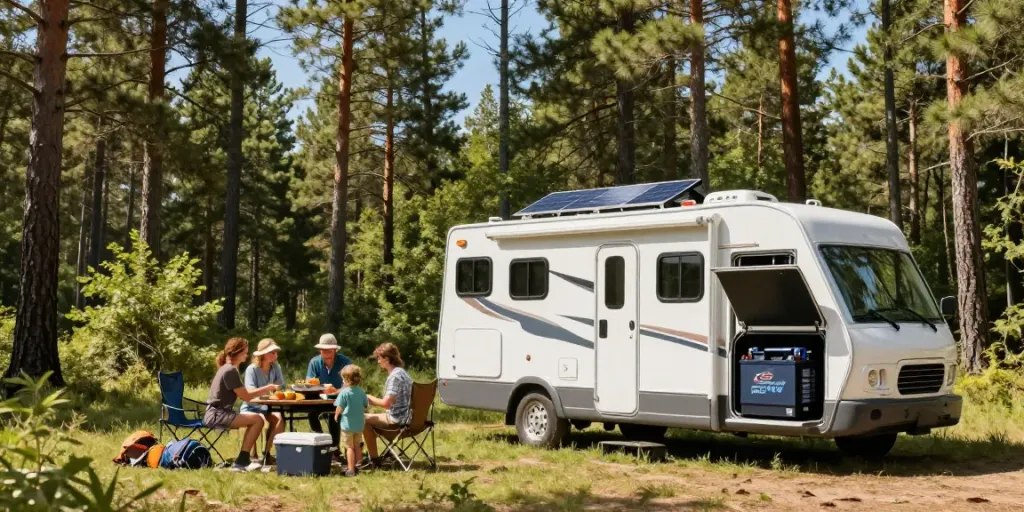
Understanding RV Lithium Batteries
As adventurers, we seek the thrill of the open road, and nothing epitomizes that freedom more than having electricity at our fingertips while traveling. This is where rv lithium battery technology comes into play, revolutionizing the way we think about power in our RVs, vans, and campers. These robust batteries provide a sustainable energy solution, especially for those venturing off the grid. In this article, we will delve into the world of lithium RV batteries, their benefits, and why they are often considered superior to traditional battery types.
What is an RV Lithium Battery?
An RV lithium battery utilizes lithium iron phosphate (LiFePO4) chemistry, offering a lightweight, durable alternative to conventional lead-acid batteries. These batteries are engineered to provide a steady flow of energy, making them ideal for high-demand environments like RVs and campers. Moreover, they have a significantly higher energy density than their lead-acid counterparts, meaning they can store more energy in a smaller, lighter form factor.
Key Features of Lithium RV Batteries
- Lightweight: Up to 50% less weight compared to lead-acid batteries.
- Long Lifespan: Can last up to 10 years or more with proper management.
- Fast Charging: Generally charge faster than traditional batteries.
- Safety Mechanisms: Built-in Battery Management Systems (BMS) protect against overcharging, overheating, and deep discharging.
- Temperature Resilience: Some models offer self-heating features for cold weather performance.
Benefits of Upgrading to Lithium
Transitioning from lead-acid to lithium batteries presents numerous advantages. Lithium batteries offer a deeper depth of discharge (DoD), enabling users to utilize up to 90% of their capacity without harming the battery's lifespan. This contrasts sharply with lead-acid batteries, which should not be discharged beyond 50% to preserve their longevity.
Additionally, lithium RV batteries maintain a stable voltage output even under heavy loads, which is crucial for powering appliances such as refrigerators, microwaves, and air conditioning units. Overall, the increased efficiency and performance of lithium batteries can lead to better power management and more enjoyable off-grid experiences.
Comparing RV Battery Types
When it comes to powering your RV or camper, understanding the different battery types available is essential. In this section, we'll explore the distinctions between lithium and AGM (Absorbent Glass Mat) batteries and why lithium is often the preferred choice.
RV Lithium Battery vs. AGM Batteries
AGM batteries are a type of sealed lead-acid battery that offers some advantages over traditional flooded lead-acid batteries, such as being spill-proof and maintenance-free. However, they still fall short compared to lithium batteries in several key areas:
- Weight: AGM batteries are generally heavier and may contribute to reduced vehicle payload.
- Lifetime Cost: Despite a lower initial cost, AGM batteries typically need replacement every 3-5 years, while lithium options can last 10 years or more.
- Efficiency: Lithium batteries charge more quickly and can deliver more usable power.
Advantages of Lithium Over Lead-Acid
Choosing lithium RV batteries over lead-acid options can significantly enhance your off-grid lifestyle. Some of these advantages include:
- High Cycle Life: Lithium batteries can withstand more than 3000 charge cycles while retaining over 80% capacity, compared to only 200-300 cycles for lead-acid.
- Temperature Tolerance: Lithium batteries perform better in extreme temperatures, making them suitable for winter camping.
- Discharge Rate: Lithium batteries provide a stable voltage level throughout their discharge cycle, leading to more reliable performance for powering various devices.
Long-term Cost Benefits of Lithium Batteries
While lithium batteries may come with a higher upfront cost, their long-term financial benefits can outweigh this initial investment. The superior lifespan and efficiency of lithium batteries translate to fewer replacements and maintenance costs over time. By considering the total cost of ownership, many RV enthusiasts find that lithium batteries are a more economical choice in the long run.
Choosing the Right RV Lithium Battery
With various options available on the market, selecting the right lithium battery for your RV requires careful consideration of your power needs, usage patterns, and specific features that can enhance your travel experience.
Assessing Your Power Needs
To determine the right battery size and type for your setup, you first need to assess your daily energy consumption. This includes understanding how much power your appliances draw, how frequently you'll be using them, and how long you'll be off-grid. List your devices and their wattage to calculate your total daily energy needs.
Sizing Your Battery Bank
Once you have a clear idea of your power needs, sizing your RV lithium battery bank is the next step. A common recommendation is to have a battery bank that provides ample reserve power, ideally two to three times your daily consumption, allowing for unforeseen increases in usage or less-than-ideal charging conditions.
Matching Battery Type with RV Usage
The type of RV and how you plan to use it also influence your battery selection. For instance, a full-time RVer may require a more robust battery bank with higher capacity compared to occasional weekend travelers. Moreover, off-grid campers might prioritize batteries that perform well in colder temperatures, whereas frequent travelers in warmer climates may focus on weight and charging speed.
Installation and Maintenance Tips
Regardless of the battery type you choose, proper installation and maintenance are crucial to maximizing performance and longevity. Here are some tips to ensure your installation goes smoothly and your battery operates efficiently.
Best Practices for Installing RV Lithium Batteries
1. Location Matters: Choose a dry, ventilated area for installation that is as close to the power center as possible.
2. Secure Connections: Use appropriate gauge wiring and secure all connections to prevent voltage drop and potential hazards.
3. Proper Ventilation: Ensure adequate airflow to prevent overheating, especially if you have multiple batteries in a confined space.
Caring for Your Lithium Battery
Taking care of your lithium RV batteries ensures they perform efficiently and last their expected lifespan. Always monitor the state of charge and avoid deep discharging to maintain battery health. If your battery has Bluetooth monitoring capabilities, utilize this feature for real-time data on temperature, charge levels, and alerts.
Integrating Solar Power Systems
If you're looking to enhance your off-grid capabilities, integrating solar panels with your lithium battery system is a fantastic option. This setup allows for continuous charging during daylight hours, extending your energy autonomy. Ensure the solar charge controller is compatible with lithium technology to optimize performance.
Common Misconceptions and FAQs
Even as lithium batteries become more popular, several misconceptions persist. Here’s a closer look at some common myths and frequently asked questions.
Are Lithium Batteries Worth the Investment?
Yes, many RV enthusiasts find that lithium batteries are worth their higher initial costs due to their long lifespan, high efficiency, and low maintenance requirements. The overall savings from reduced replacements and minimal maintenance add substantial value over time.
Can You Use Lithium Batteries with Existing Systems?
In many cases, you can integrate lithium batteries into existing RV systems, but it is essential to ensure your charger and accessories support lithium technology. You may need to update settings or components to ensure compatibility.
What to Watch Out for When Choosing Batteries?
When selecting an RV lithium battery, consider the following:
- Battery Management System (BMS) features
- Warranty and expected lifespan
- Weight and dimensions for installation space
- Temperature tolerance and performance ratings