Understanding Smart Locks: The Future of Home Security
In an era where technology is transforming every aspect of our lives, home security is no exception. The emergence of smart locks is revolutionizing how we protect our homes. These innovative devices not only enhance security but also provide convenience and flexibility that traditional locks simply cannot match. With options ranging from biometric systems to Wi-Fi-enabled devices, the quest for the perfect home security solution has never been more intricate yet rewarding. When exploring options, قفل هوشمند provides comprehensive insights into the latest offerings in this field, making it easier for homeowners to make informed choices.
What are Smart Locks?
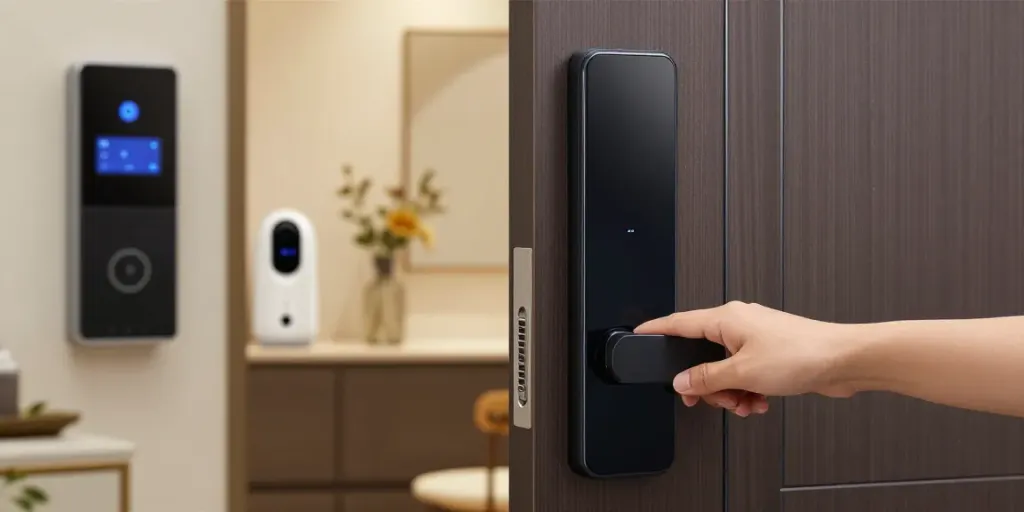
Smart locks are advanced locking mechanisms that use various technologies to improve security and accessibility. Unlike traditional locks that require physical keys, smart locks can be controlled remotely and accessed through smartphones, keypads, or even biometric data. This technological leap allows users to lock and unlock their doors from virtually anywhere, offering peace of mind and enhanced control over who has access to their home.
How Smart Locks Work
The operation of smart locks is based on electronic and mechanical systems that replace or augment traditional locking mechanisms. Some popular methods include:
- Keypad Entry: Users enter a numerical code to unlock the door.
- Mobile App Control: Homeowners can lock and unlock their doors using a smartphone app, enabling remote access.
- Biometric Scanning: Advanced locks utilize fingerprint or facial recognition technology to verify the identity of the user before granting access.
- RFID Technology: Some smart locks allow entry through RFID tags, similar to keycards used in hotels.
Benefits of Using Smart Locks
Smart locks offer numerous advantages over traditional locking mechanisms:
- Convenience: No more fumbling for keys; simply use your smartphone or a code.
- Remote Access: Manage access for family members or guests even when you’re not home.
- Enhanced Security: Many models provide advanced features like tamper alerts and automatic locking.
- Integration with Smart Home Systems: Compatibility with home automation systems allows seamless integration with other smart devices.
Types of Smart Locks Available in 2026
The market for smart locks has grown significantly, leading to a variety of options tailored to different security needs and preferences. Here are some prevalent types available:
Biometric Smart Locks
Biometric smart locks utilize fingerprint recognition or facial scanning to grant access. These locks are incredibly secure since biometric data is unique to each individual. They are ideal for situations where quick access is necessary, such as for families with children or elderly relatives who might have difficulty using a keypad.
Keypad and PIN Code Locks
Keypad locks allow users to enter a unique PIN to unlock the door. These locks can be programmed to allow multiple codes, making them suitable for homes with multiple users. They are straightforward to use but carry the risk of code sharing or forgetting the code.
Wi-Fi and Bluetooth Enabled Locks
These locks connect to your home’s Wi-Fi or use Bluetooth technology, allowing you to control them remotely from your smartphone. This means you can lock or unlock your doors even when you’re miles away, which is particularly beneficial for granting access to service personnel or visitors.
Choosing the Right Smart Lock for Your Home
Selecting a smart lock involves assessing various factors to ensure you find the right fit for your needs:
Factors to Consider When Buying
- Security Features: Look for locks with advanced features such as encryption and tamper alerts.
- Power Source: Some smart locks use batteries, while others may require a wired connection.
- Compatibility: Ensure the lock works with other smart devices in your home.
- Ease of Installation: Some locks are designed for DIY installation, while others may require professional help.
Common Misconceptions About Smart Locks
Despite their growing popularity, several misconceptions about smart locks persist:
- Smart Locks are Easily Hackable: While no device is immune to cyber threats, many smart locks incorporate robust security measures, making them highly secure.
- They’re Complicated to Use: Most smart locks are designed with user-friendliness in mind, featuring intuitive interfaces and clear instructions.
- They Require Constant Internet: Many smart locks can operate offline, granting access even without internet connectivity.
Comparison of Top Brands
When searching for a reliable smart lock, consider top brands known for their quality and innovation:
- August Smart Lock: Known for its retrofit capabilities, allowing users to add smart features to existing deadbolts.
- Schlage Encode: A completely keyless smart lock with built-in Wi-Fi capabilities, eliminating the need for additional hubs.
- Yale Assure Lock: Offers various connection options, including Zigbee, Z-Wave, and Bluetooth, making it compatible with most home automation systems.
Installation and Maintenance of Smart Locks
Ensuring your smart lock is properly installed and maintained is crucial for its performance and longevity:
DIY Installation vs Professional Help
Many smart locks are designed for easy DIY installation, allowing homeowners to set them up without professional assistance. However, those who prefer a seamless setup or have complex security needs might opt for professional installation.
Tips for Maintaining Your Smart Lock
To ensure optimal performance, consider these maintenance tips:
- Regularly check battery levels and replace them as necessary.
- Keep the lock clean and free from dust or debris.
- Update software and firmware regularly to enhance security features.
Dealing with Common Issues and Troubleshooting
Even the best smart locks can experience issues. Here are some troubleshooting tips:
- Lock Not Responding: Check the battery and ensure it’s properly charged.
- Connectivity Issues: Restart your router or check the lock’s connection settings.
- Forgotten Code: Most locks have a reset feature that allows you to restore factory settings.
Future Trends in Smart Lock Technology
The future of smart lock technology looks promising, with several trends set to reshape the market:
Emerging Technologies in Smart Locks
New technologies like AI and machine learning are being integrated into smart locks, enhancing their ability to learn user patterns and increase security dynamically. Moreover, advancements in battery technology will likely improve the autonomy of smart locks.
Predictions for 2026 and Beyond
By 2026, we can anticipate even more sophisticated features in smart locks, such as advanced biometrics that include retina and palm print scanning, as well as more robust integration with home automation systems.
How Smart Locks Fit into Smart Home Ecosystems
As smart homes become more integrated, smart locks will likely see enhanced compatibility with other smart devices, offering a seamless experience in security and convenience. Users will be able to create customized routines that trigger other smart home devices in conjunction with their locks.
What are the Benefits of Smart Locks?
In summary, smart locks provide heightened security, convenience, and flexibility compared to traditional locking mechanisms. Their ability to integrate into smart home systems further enhances their functionality and appeal.
Are Smart Locks Easy to Install?
Many smart locks are designed for DIY installation, but some models may require professional help depending on the complexity of your existing door hardware and system setup.
What Happens if the Power Goes Out?
Most smart locks are battery-operated and will continue to function even during a power outage. However, those that rely on Wi-Fi may not be accessible remotely in such instances.
Can Smart Locks be Hacked?
While no system is entirely secure, advancements in encryption and security protocols make modern smart locks significantly less vulnerable to hacking than one might think.
Do Smart Locks Have Warranty Options?
Most reputable brands offer warranty options, ranging from 1 to 5 years, which can provide peace of mind and assurance of quality.